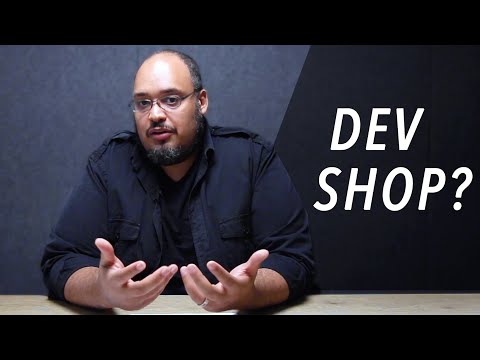
Seibel recommends beginning with a problem you care about, then judging how often it occurs and how painful it is. He contrasts a mother’s occasional difficulty finding stroller-friendly routes with affordable child care, a more frequent and intense problem in her life. Problems from work can be useful starting points too.
One Order of Operations for Starting a Startup
Speaker
Michael Seibel of Y Combinator discusses a practical order for finding and testing a startup idea in conversation with a host.
Treat an initial solution as a hypothesis to test, rather than an answer you need to get right upfront. Seibel advises discussing the problem with people whose judgment you respect, especially potential co-founders, and noticing whether they build on each other’s ideas. Developing an idea together can also give the group a sense of ownership.
Seibel says to work together on the simplest version of the product, which could even be an Excel spreadsheet. He recommends trying to get one or two customers before focusing on incorporation or fundraising. That early work can test how well the team works together, build excitement, and make the company more compelling to investors.
Seibel identifies pitching investors with only an idea and proceeding without anyone able to build as two common failed paths. He argues that a deck alone is less persuasive when teams can build and reach users more easily than in the 1990s. Outsourcing can also consume savings through repeated revisions before the founders have learned what customers need; a technical co-founder may be a cheaper route.
Takeaways
- Start with a problem that is both frequent and painful for someone you understand.
- Treat your first product idea as a testable hypothesis, not a commitment.
- Use brainstorming to find collaborators who improve ideas with you.
- Build the smallest useful version and try to get one or two customers before fundraising.
- Before outsourcing, consider whether a technical co-founder can help you iterate more affordably.
Mentioned in this talk
Search inside this talk
What was claimed 3
- featureMichael Seibel: Recommends building and launching an MVP after identifying a problem and brainstorming solutions.Recommends building and launching an MVP after identifying a problem and brainstorming solutions.
“work together, build, and launch an MVP”
YouTube Unverified1 source· Talk
- featureMichael Seibel: Recommends finding people to brainstorm and build with, including technical people when the founder is not technical.Recommends finding people to brainstorm and build with, including technical people when the founder is not technical.
“one of the top three things you have to do to create a company is find some co-founders”
YouTube Unverified1 source· Talk
- featureMichael Seibel: Warns that repeated iteration with outsourcers can use up money before the startup finds product-market traction.Warns that repeated iteration with outsourcers can use up money before the startup finds product-market traction.
“outsourcing, iterating with the outsourcers, and then running out of money”
YouTube Unverified1 source· Talk