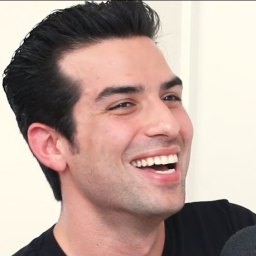
Adana began by taking apart electronics and learning on his father's 486 PC. Inspired by Hackers and WarGames, he broke into his school's AS/400 system in middle school, mainly to see if he could get in. Prank calls and improv later helped him practice building characters and getting information across quickly.
Mr. Robot's Co-Producer and Writer
Speaker
Kor Adana, co-producer and writer on Mr. Robot, talks with Y Combinator about drawing on his cybersecurity background to shape the show's hacking, storytelling, and production.
Adana wanted to write and direct, but studied computer engineering and worked in corporate cybersecurity while saving for a career change. He calculated that his savings could cover three years without income, then moved into entertainment through an unpaid production internship and assistant roles. He tracked industry contacts in a spreadsheet and focused on building relationships.
After a producer connected him with Sam Esmail's Mr. Robot script, Adana joined the team and brought experience with enterprise security and penetration testing. He works with consultants Ryan Kazanciyan, Andre McGregor, and James Plouffe to make attacks credible and choose the details that serve each scene. As a writer-producer, he can help shape technical accuracy from the writers' room through filming and editing.
The production films computer screens practically, using preprogrammed Flash animations so actors can type without risking errors or slowing a costly shoot. Complex sequences can take months to build; one Season 2 scene took about two months. The team checks code and interfaces against real tools and period-appropriate software, while showing only excerpts rather than a complete exploit.
Adana and his collaborators look for new vulnerabilities and attack methods, adapting them to the show's timeline and character conflicts. The show's alternate reality game links URLs, QR codes, and other clues into larger puzzles that fans solve together. For aspiring hackers, he recommends self-directed study and conferences; for writers, regular writing, internships, and making yourself useful.
Takeaways
- Set a financial runway before making a major career change.
- Track professional relationships and follow up with context about people's work.
- Bring technical experts into creative work early so accuracy can shape the story.
- Automate repeatable on-set interactions to reduce errors and production delays.
- Show enough technical detail to feel credible while keeping scenes clear and focused.
Mentioned in this talk



Search inside this talk
What was claimed 4
- usesMr. Robot uses Stagefright
“Trenton hacking Mobley's phone with Stagefright.”
YouTube Unverified1 source· Talk
- role at
“Being a writer-producer is definitely a huge advantage on a show like this.”
YouTube Unverified1 source· Talk
- works at
“I'm there every day in the writers' room and on set.”
YouTube Unverified1 source· Talk
- uses
“I'm all for people investing in cryptocurrencies, investing in Bitcoin and Ethereum.”
YouTube Unverified1 source· Talk


