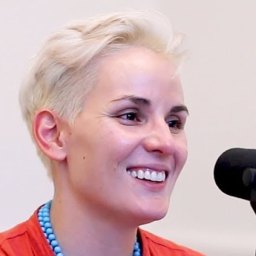
Fournier says good management is a hard, technical discipline that helps teams work effectively. Small startups may coordinate informally, but as teams grow, they need structure and management to coordinate people who no longer work closely together every day.
on Managing Technical Teams
Speaker
Camille Fournier, managing director at Two Sigma and former CTO of Rent the Runway, discusses engineering management with Y Combinator’s host.
New managers should establish routines such as regular one-on-ones, which Fournier recommends holding weekly or every two weeks. She also advises bringing the team together to discuss projects and build shared identity, so people can coordinate, review code, design together, and support one another.
When a team is behind, Fournier cautions new managers against taking tickets and coding their way out of trouble. They should investigate planning problems and remove blockers, such as working with Product to reduce scope. Managers should also address interpersonal conflicts early and get specific about performance expectations when needed.
Fournier says the slower feedback of management can make former engineers feel unproductive, so they should give themselves time to build skill and reassess after six months or a year. Managers of small teams can remain somewhat hands-on, but engineering careers should not require people to manage others in order to advance.
Fournier stays technically credible by reading design documents, attending system presentations, and talking with senior engineers so she can ask informed questions. She describes leadership as the ability to make people want to follow, often by clarifying ambiguity, explaining decisions, and treating people in ways that build trust.
Takeaways
- Set a steady one-on-one cadence so small concerns surface before they become urgent.
- Bring engineers together to coordinate work and build a shared sense of team.
- When delivery slips, look for planning and scope problems before adding code yourself.
- Address conflict directly and make performance expectations concrete.
- You can stay technically credible through system understanding and good questions, even when you are not coding.
Mentioned in this talk


Search inside this talk
What was claimed 13
- builtEditor
“a book coming out this year that you’re editing”
YouTube Unverified1 source· Talk
- built
“Your first book was The Manager’s Path”
YouTube Unverified1 source· Talk
- previously atCamille Fournier previously at
 Goldman SachsVP of Technology
“former VP of Technology at Goldman Sachs”
YouTube Unverified1 source· Talk
- previously atCamille Fournier previously at Rent the RunwayCTO
“former CTO of Rent the Runway”
YouTube Unverified1 source· Talk
- role atCamille Fournier is Managing Director at
 Two Sigma
“You’re a managing director at Two Sigma”
YouTube Unverified1 source· Talk
- role atCamille Fournier is CTO at Rent the Runway
“I had worked at Goldman Sachs, where there was management, and then I came to a startup.”
YouTube Unverified1 source· Talk
- featureCamille Fournier: Recommends weekly or biweekly one-on-ones, depending on the work and other interactions.
“Weekly or every two weeks, depending on the kind of work”
YouTube Unverified1 source· Talk
- featureCamille Fournier: Recommends making a team through regular conversations about work, projects, and how things are going.
“make your team a team”
YouTube Unverified1 source· Talk
- featureCamille Fournier: Advises new managers not to default to writing code to solve a struggling team's problems.
“new managers tend to default to writing code to solve their problems”
YouTube Unverified1 source· Talk
- featureCamille Fournier: Recommends addressing interpersonal conflict proactively.
“it's your job to address interpersonal issues between people on your team”
YouTube Unverified1 source· Talk
- featureCamille Fournier: Recommends setting specific expectations and time frames when addressing performance problems.
“What would I need to see from this person over the next 90 days, 30 days”
YouTube Unverified1 source· Talk
- featureCamille Fournier: Recommends dropping or delegating lower-priority work and asking for help when overwhelmed.
“What could you just stop doing? What can you drop?”
YouTube Unverified1 source· Talk
- featureCamille Fournier: Defines leadership as the quality that gets people to want to follow you.
“Leadership is whatever quality gets people to want to follow you.”
YouTube Unverified1 source· Talk