WhoBuilt

Key facts

Launched by
Capabilities
shows a person's connections' content

From talks

Results and examples shared in single talks

Timeline 2

Dated events, newest first. Open the sources under any item.

How we verify
Launch1Capability1
20131 event
  1. reported 2013-10Capability
    Shows a person's connections' content
    “you get the person's content in your News Feed” 9:36
    Unverified1 source· Talk
20061 event
  1. 2006Launch
    Meta launched News Feed
    “in the summer of 2006, and the next month we launched News Feed” 2:52
    Unverified1 source· Talk

Talks 3

54:42
The Path to $100B

Paul Buchheit traces his path from Intel to early Google, where he built Gmail by starting with a simple searchable email prototype and improving it through user feedback. He argues that startups should launch early, find a small group of users who love the product, stay close to customers, and focus their limited resources on one important problem. Building a very large company also requires riding a major change in the world and having the conviction to pursue it while responding to what customers need now. He draws lessons from Google, FriendFeed, Facebook, and Juicero about product focus, network effects, funding, and founder conviction.
Oct 24, 2018· 55 minMentioned 32:43
4:18
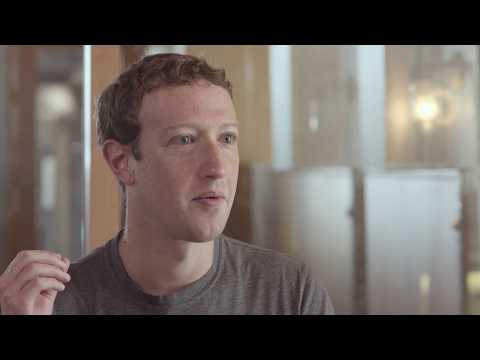
Mark Zuckerberg On Yahoo's Billion Dollar Offer

Mark Zuckerberg describes Yahoo’s billion-dollar offer to buy Facebook when it had 10 million users. He says the hardest part was the strain that followed: many employees left because he had not clearly communicated the company’s mission, and the management team was gone within a year. Zuckerberg and Dustin Moskovitz chose to keep building, and the launch of News Feed and opening registration to everyone soon made that decision seem right. He reflects that later bets with outcomes years away can be harder, and says he did not consider selling Facebook again.

Oct 30, 2017· 4 minDiscussed 2:52
36:22
Mark Zuckerberg at Startup School 2013

Mark Zuckerberg describes how early projects such as Course Match and a study tool helped him learn to build products for communities, leading to Facebook. He argues that real identity and connections made Facebook useful, and that founders can succeed despite limited resources by caring deeply, learning from mistakes, and staying determined. He shares lessons on hiring people he would want to work for, building teams that make better decisions together, and focusing on the one strategic priority that matters most. He also discusses Facebook’s expansion, competition, and its mission to connect people around the world.

Oct 26, 2013· 36 minDiscussed 9:36