WhoBuilt

From talks

Results and examples shared in single talks

Timeline 0

Dated events, newest first. Open the sources under any item.

How we verify
20211 event
  1. as of Jan 2021metric
    Revenue from repeat payments; tends to be valued more highly than non-recurring revenue
    “recurring revenue tends to be valued more highly than non-recurring revenue”
    4:49inHow do you calculate burn rate, runway and growth rate?YouTube

Talks 2

32:44
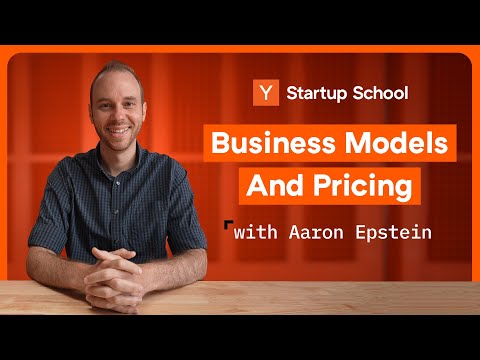
Startup Business Models and Pricing

Aaron Epstein explains nine business models common among billion-dollar companies and compares how SaaS, transactional businesses, and marketplaces perform among YC’s top companies. He describes traits that help businesses grow, including recurring revenue, retention, defensible moats, strong unit economics, and closeness to transactions. He then presents five pricing lessons: charge early, price for customer value, avoid undercharging, treat pricing as changeable, and keep plans simple. Examples from Stripe, Netflix, and Segment show how pricing can reveal customer value and support growth.

Dec 15, 2022· 33 minDiscussed 7:54
5:58
How do you calculate burn rate, runway and growth rate?

Tim Brady explains how early-stage startups can calculate burn rate, runway, and growth rate. Burn rate tracks monthly cash outflow net of cash coming in, while runway estimates how many months remain before cash runs out; a monthly forecast helps when cash flow or expenses vary. Growth rate compares revenue with the prior period and should be expressed as a compounded rate, using a quarterly or annual period for seasonal businesses when appropriate. He also distinguishes recurring revenue, such as subscriptions, from non-recurring revenue, such as one-off purchases, and explains why accurate definitions matter when speaking with investors.

Jan 25, 2021· 6 minDiscussed 4:49