WhoBuilt

Word of mouth

Also known as word-of-mouth

Used by 1 company

Based on job postings, talks and research

All 1

Timeline 0

Dated events, newest first. Open the sources under any item.

How we verify
20111 event
  1. 2011uses
    The Muse uses Word of mouth
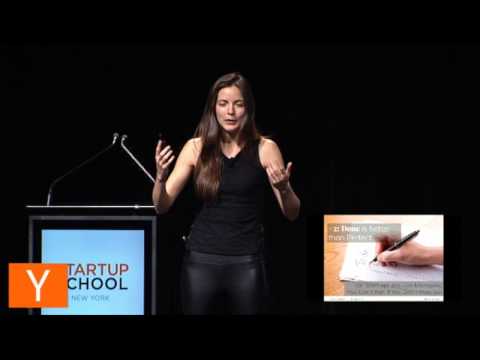
    “Then we really started building word of mouth”
    5:54inKathryn Minshew at Startup School NY 2014YouTube

Talks 5

21:07
The Best Way To Launch Your Startup

The talk argues that startups should launch early and repeatedly, using feedback to test whether they are solving a real problem and to find a small group of users who love the product. Founders should explain their company in one clear, concise sentence that says what it does and whom it serves, without jargon or a long backstory. It outlines launch paths including a landing page, friends and family, potential customers, online communities, preorders, and waitlists. Founders should build their own community and keep launching through it; press is unreliable as a source of sustained growth.

Feb 9, 2023· 21 minDiscussed 4:15
27:46
How to Pitch Your Startup

Kevin Hale explains how startup founders can describe their ideas clearly and concisely, especially in a YC application or investor pitch. A strong description lets someone unfamiliar with the business picture what the company makes, who it serves, and what problem it addresses. He recommends leading with the product rather than a long explanation of why or how, and avoiding jargon, ambiguity, buzzwords, and unnecessary detail. Familiar comparisons such as “X for Y” can help when the reference company is widely known, successful, and relevant to a large market.

Sep 13, 2019· 28 minDiscussed 5:17
46:54
Startup Investor School Day 1

Sam Altman explains how to evaluate and support early-stage startups, with a focus on finding rare companies that could become enormous. He argues that angel investing depends on power-law returns, so investors should look for home-run potential instead of optimizing for a low failure rate or a cheap valuation. He recommends forming independent views about founders, emerging markets, technology shifts, and product quality, while building a reputation as an accessible, helpful investor. The talk also covers founder traits, market growth, network effects, and practical ways investors can help founders.

Mar 6, 2018· 47 minDiscussed 7:29
32:00
Ian Hogarth

Ian Hogarth shares lessons from building Songkick, especially the challenges of starting in a highly consolidated entertainment industry. He argues that founders should understand the industry and its incentives, then build three connected engines: a product users love, a way to grow, and a sustainable business model. He describes how better concert data and easier onboarding improved Songkick’s user experience and growth. He closes with advice on resilience: keep going through difficult periods, learn from users, and build with trusted co-founders.

Jul 31, 2014· 32 minDiscussed 18:00
24:01
Kathryn Minshew at Startup School NY 2014

Kathryn Minshew describes how The Muse grew from an imperfect first website into a career platform, sharing the failures and experiments along the way. She explains how early content, direct outreach, and persistence helped attract users, partners, and funding. Her advice includes launching early to learn from real customers, honoring commitments, choosing collaborators who share your values, and building a team around people’s motivations. She also urges founders to stay close to their users and data instead of comparing their progress with other companies’ success stories.

Jun 20, 2014· 24 minDiscussed 5:54