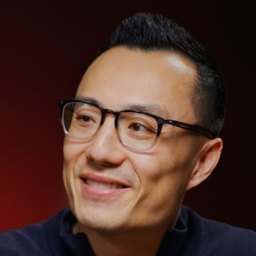
Xu and his co-founders tested different projects before settling on delivery. By shadowing a macaroon shop owner, they saw a booklet of delivery orders she had turned down and began investigating why local businesses could not fulfill them. They tested whether consumers, merchants, and drivers would all participate.
Customer Obsession, Surviving Startup Death & Creating A New Market
Speaker
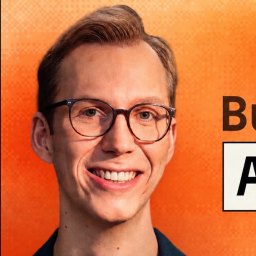
Tony Xu, DoorDash co-founder and CEO, talks with Y Combinator’s How to Build the Future host about discovering DoorDash’s market, surviving early setbacks, and building for the long term.
The founders launched Palo Alto Delivery with a basic webpage, restaurant menus, and a Google Voice number that rang all four founders’ phones. During YC, they made deliveries themselves and saw customers return without discounts. After a Stanford football game overwhelmed their capacity, they refunded customers despite the cost, then baked cookies and delivered them before dawn.
Xu says DoorDash aimed to build a last-mile delivery network for businesses that did not already offer delivery. While competitors focused on dense cities, the founders heard strong demand from customers outside city centers and chose to pursue suburbs. They later found suburban orders often had larger baskets and simpler deliveries, improving unit economics.
Despite growing engagement and strong internal metrics, DoorDash struggled to raise capital from 2016 to 2018 and received hundreds of rejections. Xu says investors were unsure which company would win in a market that had not yet been defined. After raising a Series D in 2018, DoorDash expanded into more geographies, building on its strong customer retention and order frequency.
During COVID-19, DoorDash launched contactless delivery, helped merchants and Dashers access cash, and arranged free delivery for hospital workers. The company also halved commissions and ran a TV campaign encouraging people to order from the industry, even though DoorDash was unprofitable. Xu ties those choices to a long-term mission of empowering physical businesses and growing cities’ economies.
Takeaways
- Work alongside customers to uncover problems they may not be able to explain in a survey.
- Test each side of a marketplace directly before assuming supply and demand will appear.
- When a service fails customers, make the remedy you believe is right, even when cash is tight.
- Use customer experience to guide market choices, then check the economics against the evidence.
- In a crisis, a clear long-term mission can help teams make difficult tradeoffs.
Mentioned in this talk


Search inside this talk
What was claimed 14
- foundedChairman and CEO
“Today's guest is Tony Xu, who created DoorDash”
YouTube Verified2 sources· Talk, Web· archived
- metric
 DoorDash: The host says it had over 60% of all food delivery in the United States
“which now has over 60% of all food delivery in the United States”
YouTube Unverified1 source· Talk
- foundedCEO
“Today's guest is Tony Xu, who created DoorDash”
YouTube Unverified1 source· Talk
- previously at
“one of my mentors at eBay”
YouTube Unverified1 source· Talk
- role atJohn Donahoe is CEO at
 eBay
“who was CEO John Donahoe at the time”
YouTube Unverified1 source· Talk
- role at
 Y Combinator is Accelerator for its 2013 summer batch at DoorDash
“The first two weeks of the 2013 summer batch”
YouTube Unverified1 source· Talk
- metricDoorDash: Almost 60% of its Dashers are women
“Almost 60% of these Dashers are women”
YouTube Unverified1 source· Talk
- metricDoorDash: Over 7 million drivers on the platform
“Today, DoorDash has over 7 million drivers on the platform”
YouTube Unverified1 source· Talk