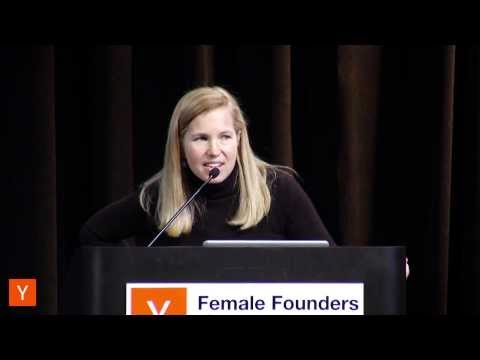
In 2005, founders had few options for very early funding: venture capital firms wanted tested ideas and large investments, while angel funding was limited. After a slow process with a Boston VC, Jessica and Paul Graham decided to create a program with small checks so founders could leave jobs, cover expenses, and test ideas. YC first planned to invest in companies individually and was briefly called Cambridge Seed.
How YC Was Created With Jessica Livingston
Speaker
Jessica Livingston, Y Combinator co-founder, joins Gary and the other Lightcone hosts on Y Combinator’s podcast to discuss how YC began and the principles behind its early-stage startup community.
Jessica brought her event-planning experience to YC’s weekly dinners, interviews, and other gatherings. Inspired by Paul Graham’s inexpensive anti-spam conference, they used simple setups and invited speakers founders wanted to hear. As batches and alumni grew, regular events helped founders meet peers and alumni who could offer practical advice.
YC aimed to make starting a company easier by standardizing incorporation and investment paperwork, reducing legal complexity and cost. For its first summer program in 2005, eight companies joined, including those led by Sam Altman, Steve Huffman, Alexis Ohanian, Justin Kan, Emmett Shear, and Aaron Swartz. Weekly dinners and peer comparisons gave founders momentum, and Reddit’s early launch helped the team see the batch model was working.
Jessica said YC’s reputation grew gradually as companies such as Dropbox, Reddit, and Airbnb became well known, alongside press coverage and word of mouth. Greater visibility also brought distractions, including criticism and requests for meetings, so the team tried to protect its focus and avoid bureaucracy. She described Yuri Milner’s offer to invest in every company in a batch, which led to $150,000 in uncapped funding for each startup in one batch.
Startup School followed the low-cost, informal model of Paul’s earlier conference: it was free, used a borrowed venue, and had no sponsors. Jessica described YC’s culture as curious about founders and their ideas regardless of background, and as a place where people who felt unconventional could belong. She said founders tend to remain independent-minded and determined as they succeed, while gaining confidence and access to more people.
Takeaways
- Make it possible for founders to test an idea before they need a large investment.
- Use regular, practical gatherings to help founders learn from peers and alumni.
- Standardize routine paperwork so founders can spend less time on setup and more time building.
- Protect time and attention as an organization grows in visibility.
- Build a community where unconventional founders can find encouragement and useful feedback.
Mentioned in this talk





Search inside this talk
What was claimed 9
- foundedPaul Graham founded
 Y Combinator
“Paul Graham, Founder of Y Combinator”
0:00inPaul Graham, Founder of Y Combinator, Live from StockholmYouTube Verified9 sources· Talk, Web· archived
- foundedJessica Livingston foundedY Combinator
“I'm one of the founders of Y Combinator”
0:00inJessica Livingston at Startup School 2012YouTube Verified8 sources· Talk, Web· archived
- launchedY Combinator launched
 Startup School
“Startup School began a couple of years ago”
0:12inStartup SchoolYouTube Verified3 sources· Talk
- featureY Combinator: Weekly dinners, startup batches, and alumni events
“We had weekly dinners; VCs don’t have weekly dinners with their investments, and we did.”
YouTube Unverified1 source· Talk
- featureY Combinator: Standardized incorporation and investment paperwork
“We had our lawyers create all the incorporation paperwork, and you just filled in the blanks.”
YouTube Unverified1 source· Talk
- metricY Combinator: 8 companies in the first batch
“Yeah, there were eight companies.”
YouTube Unverified1 source· Talk
- invested inYuri Milner invested inY Combinatorproposed investing in every company in a batch
“I want to fund all your startups.”
YouTube Unverified1 source· Talk
- featureY Combinator: Funded every company in a batch with $150,000 on uncapped terms
“they were all going to get $150,000 on uncapped terms”
YouTube Unverified1 source· Talk
- featureY Combinator: Startup School was free and had no sponsors
“We always made it free.”
YouTube Unverified1 source· Talk