Tan defines design as making things that work well and delight users, and says it belongs alongside product management, engineering, and customer support. He urges founders to understand users’ needs before choosing a solution, using empathy and clear problem statements to keep the work focused.
Design for Startups
Speaker
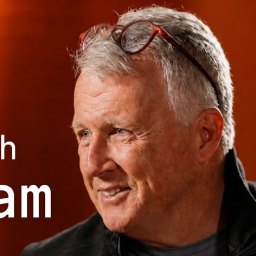
Garry Tan, a self-taught designer, former Y Combinator partner and Posterous founder, explains startup product design at Y Combinator’s Startup School.
Tan combines product design with product management: identify the problem, the people who have it, possible solutions, and their priorities. Using Posterous as an example, he describes personas such as a less tech-savvy grandmother and features like posting by email without an account. He recommends user research, a written requirements document, and clear priorities so teams can manage scope and ship.
Tan says interaction design translates user goals into flows, wireframes, and clear instructions. He recommends direct calls to action, removing unnecessary steps such as password confirmation, and breaking complex tasks into smaller steps. Familiar patterns can help users move quickly, as long as they fit the device and context.
Tan describes visual design as showing users what matters through contrast, grouping, and hierarchy. He recommends removing decoration that adds no meaning, using grids and spacing to organize content, and applying the squint test to see where attention goes. Too many boxes or lines can obscure the next step.
Tan recommends usability testing with people who have not seen a design before, asking what they notice and what they would do next. He also treats customer support as a source of product feedback: recurring small issues can add up to a broken experience. Product work continues in repeated cycles of research, design, testing, and improvement.
Takeaways
- Talk to users early and write down the specific problem you plan to solve.
- Use personas to clarify how different users’ needs and technical comfort vary.
- Prioritize features so the team can cut scope and still ship on time.
- Remove unnecessary steps and use familiar interaction patterns where they fit.
- Test designs with new users and treat support requests as product feedback.
Mentioned in this talk
 Y Combinator
 Initialized Capital
 Palantir
 Apple Computer
 Leica
 Microsoft
 DropboxPosterousThe Design of Everyday Things
 Mailboxvisual designproduct designinteraction designpersonasuser researchprioritizationnative module scaffoldingusability testingcustomer supportSteve JobsDieter Rams
 Don Norman
 Paul GrahamDale CarnegieCliff Nass
Search inside this talk
What was claimed 7
- works atGarry Tan works atInitialized Capital
“founder of Initialized Capital, which is what he's doing now”
YouTube Unverified1 source· Talk
- foundedco-founder
“founder of Posterous”
YouTube Verified3 sources· Talk
- role at
“I was employee number 10 at Palantir”
YouTube Unverified1 source· Talk
- fundedY Combinator funded Posterous
“YC funded me in 2008 with a company called Posterous”
YouTube Unverified1 source· Talk
- featurePosterous: Users could post by emailing post@posterous.com without creating an account
“All you had to do was send an email from whatever email client you already had.”
YouTube Unverified1 source· Talk
- featurePosterous: Email posts could include attachments, which could be turned into a web gallery
“support photo attachments, take multiple attachments and turn them into a web gallery”
YouTube Unverified1 source· Talk
- acquired
“Mailbox, which sold to Dropbox”
YouTube Unverified1 source· Talk