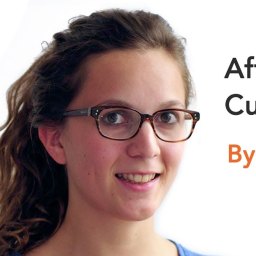
Hartz says choosing a co-founder is one of a founder’s first major decisions. She left television to build with Kevin, whose optimism helped her take the leap. They put care into working together, even while starting Eventbrite in a windowless room with makeshift desks.
Julia Hartz at Female Founders Conference 2014
Speaker
Julia Hartz, co-founder of Eventbrite, shares lessons from the company’s early years at Y Combinator’s Female Founders Conference, including how she built alongside her co-founder and husband, Kevin.
In 2005 and 2006, San Francisco seemed an unconventional base compared with the area around Stanford. Hartz says the city suited Eventbrite’s focus on live experiences and helped the company avoid competing directly with larger firms. Sharing office space with about 20 startups, including TripIt, Zynga, Trulia, and Eventbrite, shaped the team’s early years.
Eventbrite launched with free and premium service tiers, but both included the same features, leaving customers unclear about the fee. When the company removed the free tier for paid events, attrition stayed low and conversion rose. Free events still mattered: Hartz says they made up 70% of the platform’s events and helped turn attendees into organizers.
As Eventbrite grew from three people to 300, Hartz saw many individual contributors become first-time leaders during a growth spurt. She later learned there were 60 leaders in the company and urged founders to consider why, when, and whom they promote. Moving people into leadership too early can leave them struggling and make strong contributors feel like failures.
Hartz says a clear philosophy gives a team direction while still allowing it to evolve. Eventbrite set a vision to bring people together through live experiences and adapted words customers used to describe the product into culture and hiring principles. The company also began publishing monthly employee net promoter score results to build a trusted feedback loop.
Takeaways
- Choose a co-founder whose strengths and outlook complement yours, then invest in how you work together.
- Pick a company base for its fit with your product and talent needs, even when conventional wisdom points elsewhere.
- Make pricing easy to understand, and consider how free users might become paying customers or organizers.
- Promote people when they are ready to lead, not just because the company is growing quickly.
- Give the team clear principles and regular, transparent feedback so trust can grow.
Mentioned in this talk
Search inside this talk
What was claimed 12
- foundedJulia Hartz founded Eventbrite
“She's the founder of Eventbrite.”
YouTube Unverified1 source· Talk
- metricEventbrite: Had over one million events on the platform last year
“had over a million events on the platform”
YouTube Unverified1 source· Talk
- metricEventbrite: Processed $1 billion in gross ticket sales last year
“Last year, we processed a billion dollars in gross ticket sales”
YouTube Unverified1 source· Talk
- builtKevin Hartz built ZoomIn
“He was building his second company, ZoomIn”
YouTube Unverified1 source· Talk
- foundedKevin Hartz founded Eventbrite
“when we started Eventbrite”
YouTube Unverified1 source· Talk
- featureEventbrite: Charges a 2.5% plus 99-cent fee for paid service
“why you should pay a 2.5% plus 99-cent fee”
YouTube Unverified1 source· Talk
- featureEventbrite: Free events can use the product and platform without charge
“If you have a free event and use Eventbrite, all the bells and whistles of the product and platform are free.”
YouTube Unverified1 source· Talk
- metricEventbrite: Free events represented 70% of the business; gross ticket sales represented 30%
“that actually only represents 30% of our business. The other 70% are free events.”
YouTube Unverified1 source· Talk