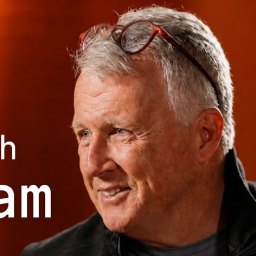
Iorns describes Science Exchange as a research and development marketplace and says it has just raised a Series C after six years. Torriviella says Goldbelly ships iconic regional foods nationwide and recently raised a $10 million Series A. Erica says Flex raised a $4 million seed round while it was still an early design and prototype for an FDA-regulated medical device.
Founders of Science Exchange, Goldbely, and The Flex Company Discuss Fundraising
Speakers
Elizabeth Iorns of Science Exchange, Vanessa Torriviella of Goldbelly, and Erica, co-founder of The Flex Company, discuss fundraising with Y Combinator host Kat and an audience of founders.
Erica says investor meetings require finding people who believe in both the founders and the product, and that practice with YC peers helped sharpen the pitch. Iorns says Science Exchange learned to lead with market size and the economic value of reducing research transaction costs, rather than a compelling but less business-focused story about NASA using the platform to develop an exceptionally black material. Torriviella brought regional foods tied to investors’ hometowns or schools to make Goldbelly’s offer tangible.
The panel recommends asking investors what metrics matter at a company’s stage and practicing with interested investors before approaching top choices. Torriviella says Goldbelly’s seed raise leaned on vision, team, and market, while seed investors later helped identify KPIs for its Series A. Iorns says later rounds put more weight on product-market fit, enterprise use, customer acquisition cost, and evidence that new capital could produce returns.
The founders acknowledge that women may face bias, especially in early fundraising, while noting that traction and measurable results can help demonstrate a company’s case. For Flex, Erica recommends researching investors with relevant experience in e-commerce, consumer brands, marketplaces, or backing female founders. The panel also describes using YC partners, peers, and LinkedIn connections to seek introductions.
The founders describe fundraising as a strain on a small team, so they recommend focused fundraising periods and clear division of responsibilities. At Goldbelly, CEO Joe handled Series A meetings while Torriviella ran product, marketing, and business development; she says profitability helped the process finish in a couple of months. The discussion closes with advice to seek support from other founders and make room for work-life balance to reduce burnout.
Takeaways
- Practice the pitch with peers and interested investors, then make the business case clear to your audience.
- Ask investors what they expect at your stage and track the KPIs that matter to your business.
- Prepare the financial model, data, and metrics before beginning a fundraising round.
- Research investors for relevant expertise and ask trusted contacts for introductions.
- Assign fundraising and operating responsibilities so the company can maintain its traction.
Mentioned in this talk




Search inside this talk
What was claimed 16
- foundedElizabeth Iorns founded Science Exchange
“In 2011, she started Science Exchange, then called The Bench”
0:00inAdvice for Biotech FoundersYouTube Verified4 sources· Talk
- ceo ofElizabeth Iorns CEO of Science Exchange
“Dr. Elizabeth Iorns is the founder and CEO of Science Exchange”
0:03inElizabeth Iorns at Female Founders Conference 2014YouTube Verified3 sources· Talk
- built
“have built the company to a global stage.”
YouTube Verified2 sources· Talk
- metricScience Exchange: Raised Series C after six years in operation
“We just raised our Series C. We've been in operation for six years”
YouTube Unverified1 source· Talk
- featureScience Exchange: Marketplace for outsourced research and development
“Science Exchange is a marketplace for outsourced research and development.”
YouTube Unverified1 source· Talk
- metricGoldbelly: Raised a $10 million Series A
“We recently raised a $10 million Series A”
YouTube Unverified1 source· Talk
- featureGoldbelly: Marketplace for discovering and shipping iconic regional foods
“We're a marketplace where you can discover the greatest, most iconic regional foods from everywhere in the country, shipped to your door.”
YouTube Unverified1 source· Talk
- role atVanessa Torriviella is Co-founder and chief creative officer at Goldbelly
“I am the co-founder and chief creative officer of Goldbelly.”
YouTube Unverified1 source· Talk