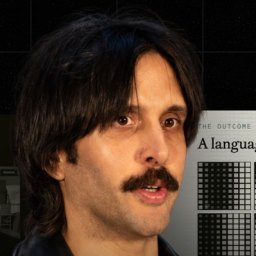
Sourdough features a microbial starter connected to strange, fictional music. For the audiobook, Sloan used SampleRNN, an open-source tool implemented by Kyle McDonald, to learn from Croatian klapa singing and generate short, unfamiliar musical passages. He describes the result as a machine learning system’s imperfect but interesting transformation of its input.
Microbes, Robots, and Ambition
Speaker
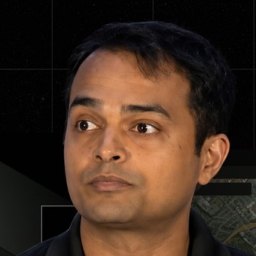
Robin Sloan, author and creator, joins Y Combinator’s host to discuss the creative uses of machine learning, the ideas behind Sourdough, and how technology shapes creative work.
Sloan says robotic arms interest him both for their mechanics and their appearance, though he has not operated one himself. Kitchens pose a challenge for automation because their objects, surfaces, and layouts are irregular; he calls cracking an egg a telling example. He likes combining new technology with older crafts instead of treating them as competing choices.
Sloan sees room for artists to explore machine learning beyond practical commercial applications. He describes a text-completion plugin for the Atom editor that lets writers review and choose among generated continuations while composing. For him, a useful creative tool should give people room to learn and shape its output.
Sloan lost the source code for his Fish app, and later iOS updates made it unusable for newer users. The experience raised a practical question: how can artists preserve digital work without committing to endless maintenance? He contrasts software’s dependence on changing platforms with the lasting legibility of printed books.
Sloan says the shift in public attitudes toward technology affected how he revised Mr. Penumbra’s 24-Hour Bookstore and wrote Sourdough. He wanted Sourdough to reflect the pressures of contemporary Silicon Valley, including difficult work at a robot factory, without simply condemning technology. He also values characters and narrators readers want to spend time with.
Takeaways
- Use machine learning to explore an artistic idea, and judge the results for their expressive value as well as their technical novelty.
- Design creative tools that let people select, revise, and learn from generated output.
- Treat preservation as part of digital product design, especially when software depends on changing operating systems and platforms.
- Look for ways new tools can extend established crafts instead of assuming one must replace the other.
- When writing about current technology, account for how its effects and public perception can change during a project.
Mentioned in this talk



Search inside this talk
What was claimed 7
- builtKyle McDonald built SampleRNN
“implemented by this rogue machine learning genius, Kyle McDonald”
YouTube Unverified1 source· Talk
- usesRobin Sloan uses SampleRNN
“It's called SampleRNN. It takes as many MP3s as you want to feed it”
YouTube Unverified1 source· Talk
- usesRobin Sloan uses klapa
“It's a kind of Croatian folk singing, all a cappella”
YouTube Unverified1 source· Talk
- builtRobin Sloan built Fish
“I made this app called Fish several years ago”
YouTube Unverified1 source· Talk
- previously atRobin Sloan previously at
 X
“I worked at Twitter for a couple of years”
YouTube Unverified1 source· Talk
- builtRobin Sloan built Atomplugin
“I also built a little plugin for the Atom text editor”
YouTube Unverified1 source· Talk
- builtRobin Sloan built Epic 2014
“we're going to make this video”
YouTube Unverified1 source· Talk