
Pomel says developers and operations teams often blamed each other, while traditional monitoring tools served operations and left developers without visibility into production. Datadog began in 2010 with a cloud-first platform that brought development, security, and operations teams together. Calling it infrastructure monitoring helped customers understand why they needed it.
What Top AI Labs Are Really Doing With Observability
Speaker
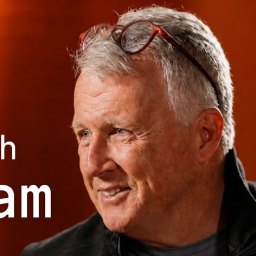
Olivier Pomel, co-founder and CEO of Datadog, discusses observability, company building, and adapting engineering to AI with a Y Combinator host in Paris.
Pomel says Datadog did not write down company values, choosing instead to make culture visible through how leaders act and whom they hire, promote, or let go. He stays close to product details and samples customer conversations, support requests, and employee feedback. He says this helps leaders understand what is happening on the ground rather than relying only on polished summaries.
Datadog often builds from customer workflows, but Pomel says AI requires companies to act before demand is clear and accept that some bets will be wrong. Its current priorities include making products usable by agents and adding more capabilities directly into the observability data plane. He says the company sees leading AI labs use its products in unusual ways, offering clues about possible future needs.
Pomel says Datadog is moving toward a way of working where teams automate first and write code when needed. After developers independently rebuilt systems in days that might once have taken six people six months, the company decided to change how it operates. Smaller teams can now explore more ideas, though the right mix of engineers, product managers, designers, and security staff remains uncertain.
Looking back, Pomel says he would advise himself to move faster, especially on hiring and firing. He recalls spending too long trying to find the perfect hire and keeping a poor fit too long. The host adds that quicker hiring and course correction can give a company more chances to find the right people.
Takeaways
- Give engineers and operations teams shared visibility into production.
- Show the culture through leadership decisions and everyday behavior.
- When customer demand is moving quickly, test bets early and expect some to fail.
- Use AI to automate more work, while revisiting team roles as the process changes.
- Hire sooner, assess fit in practice, and act promptly when a role is not working.
Mentioned in this talk


Search inside this talk
What was claimed 10
- foundedOlivier Pomel founded
 DatadogCEO and co-founder
“We started in 2010”
YouTube Verified3 sources· Talk, Web· archived
- role atOlivier Pomel is co-founder atDatadog
“Welcome, Olivier.”
YouTube Unverified1 source· Talk
- ceo ofOlivier Pomel CEO ofDatadogCEO
“Welcome, Olivier.”
YouTube Unverified1 source· Talk
- previously atOlivier Pomel previously at
 IBMresearch internship and employment
“I graduated in ’99. I had an end-of-study internship at IBM Research”
YouTube Unverified1 source· Talk
- featureDatadog: Observability product initially called infrastructure monitoring
“Our product was initially called infrastructure monitoring.”
YouTube Unverified1 source· Talk
- metricDatadog: About 20 or 25 products
“About 20 or 25.”
YouTube Unverified1 source· Talk
- featureDatadog: Building more intelligence directly into its observability product and data plane
“There’s a lot you can do directly in the data plane, inside observability”
YouTube Unverified1 source· Talk
- featureDatadog: Investing to make its product usable by agents
“One is investing a lot so the product can be used by agents”
YouTube Unverified1 source· Talk