Hogarth says entertainment startups face powerful rights holders, and most creators depend on them for financial stability. He points to Universal Music Group's acquisition of EMI and Live Nation's merger with the world's largest ticket vendor as examples of growing consolidation. He advises startups to understand industry players' problems and find a reason for them to embrace the product.
Ian Hogarth
Speaker
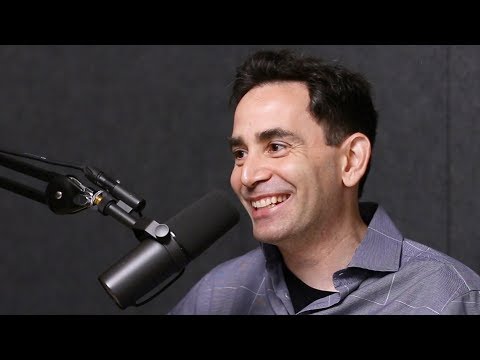
Ian Hogarth, co-founder and CEO of Songkick, shares startup lessons at Y Combinator's Startup School.
Hogarth argues that consumer startups involve substantial randomness, so building one is not a reliable path to financial success. He says a strong builder might earn more by joining a successful company or spreading risk across multiple ventures. For him, the strongest reason to start is being deeply motivated to solve a specific problem.
Hogarth describes a startup's success in terms of user gratification, growth, and economics, with the team affecting all three. Songkick learned through user surveys that personalized concert alerts delighted some fans, but its signup process made that experience hard to reach. Improving access to listening data and the quality and completeness of concert listings helped build trust; partnerships, search, and mobile word of mouth then supported growth.
Hogarth recalls Songkick's bleak period in December 2010, when new features failed to improve usage and cash was limited. He says persistence can carry a company to a better market moment, pointing to the shift from desktop to mobile and its effect on Songkick, Shazam, and Pandora. He recommends writing down why the work matters, spending time with users, and building with trusted co-founders.
Takeaways
- In a consolidated industry, learn what incumbents need and seek alignment early.
- Make the product's core benefit easy for new users to reach.
- Treat reliable, complete data as part of the user experience when trust depends on it.
- Choose growth channels that fit the product and its economics.
- When progress stalls, revisit user feedback and the reason the problem matters.
Mentioned in this talk
 Y Combinator
 Pandora
 SequoiaIndex Ventures
 Spotify
 Dropbox
 DisqusJoltidSkype
 Zillow
 GoogleLive NationUniversal Music Group
 YouTubeEMI
 Apple Computer
 Stripe
 Airbnb
 SoundCloud
 MetaKazaaAdWords
 iPhonemobileeconomic enginegratification enginegrowth engineDZ data curationSEOWord of mouthcanonical concert pageMichellePeteDrew HoustonArash Ferdowsi
 Dalton CaldwellSean Parker
 Paul Graham
 Patrick CollisonMatt CohlerSha EllisAdora
Search inside this talk
What was claimed 22
- metric
 Songkick: Over 10 million unique fans visit every month
“over 10 million unique fans visiting every month.”
YouTube Unverified1 source· Talk
- ceo ofIan Hogarth CEO ofSongkickCEO
“He's the co-founder and CEO.”
YouTube Unverified1 source· Talk
- invested inY Combinator invested in Songkickfunded
“Y Combinator funded Songkick in 2007.”
YouTube Unverified1 source· Talk
- metricSongkick: Users who start using Songkick go to twice as many concerts afterward
“The average user who starts using Songkick goes to twice as many concerts afterward.”
YouTube Unverified1 source· Talk
- invested in
“We're backed by some great VCs: Index and Sequoia.”
YouTube Unverified1 source· Talk
- invested inIndex Ventures invested inSongkick
“We're backed by some great VCs: Index and Sequoia.”
YouTube Unverified1 source· Talk
- foundedIan Hogarth foundedSongkickco-founder
“I'm one of the three co-founders of Songkick.”
YouTube Unverified1 source· Talk
- metricDropbox: Described as likely worth 100 times more than Songkick and Disqus
“Dropbox, which is likely worth 100 times more than both of us at this point.”
YouTube Unverified1 source· Talk