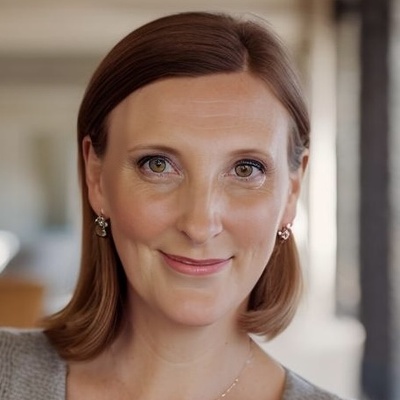

Young wanted to help build places and worked as a construction engineer, where checking blueprints and specifications on site exposed a problem. PlanGrid began as a project to make those documents available on mobile devices; early users came from projects and university connections. The founders called beta users weekly, loaned out iPads to reduce adoption friction, and helped customers set up the app.
on Scaling PlanGrid to 400+ People with YC Partner Kat Manalac
Speakers
Tracy Young, PlanGrid’s co-founder and CEO, talks with Y Combinator partner Kat Manalac about building construction software, scaling PlanGrid, and leading its team.
Young says field workers need information quickly because time on site is costly and many had little experience with software. PlanGrid kept common tasks simple and built for people across roles, from project executives to electricians and carpenters. Features such as sheet search and version control helped teams find details and avoid working from outdated plans.
Young says managers should address performance problems early, set clear expectations, and give people time to improve rather than letting a decision come as a surprise. In PlanGrid’s early days, she valued generalists with high pain tolerance; as the company grew beyond roughly 50 people, she emphasized specialization and authentic leaders with experience at a similar scale. PlanGrid grew from five founders to 450 people, and Young credits experienced leaders with helping her scale.
Young focused on shared outcomes rather than hours, while recognizing that startup progress can involve brute force. She used weekly yoga, meditation, and a plant-based diet to care for herself, and described clear work responsibilities and an imperfect after-eight work rule with co-founder Ralph. She also said leading a company while pregnant, raising a child, and managing fundraising and acquisition discussions was possible.
Young described the founder role as lonely and pressured, and said managing emotions helped her keep going. She identified prioritization as a common startup challenge: founders should honestly ask whether their work is moving the company or helping customers. Looking back, she wished she had stopped trying to fit a preconceived image of a CEO and become herself sooner.
Takeaways
- Talk to users regularly and treat confusion or setup difficulty as product friction to remove.
- Build around the shared job users need to do, then make the common path simple.
- Address performance concerns early with clear expectations and a time-bound chance to improve.
- Hire for the company’s current stage; shift from generalists toward clear ownership as the team grows.
- Review your calendar honestly and prioritize work that moves the company or helps customers.
Mentioned in this talk


Search inside this talk
What was claimed 11
- foundedTracy Young founded
 PlanGrid
“Tracy Young, co-founder of PlanGrid”
0:00inThe Immigrant Journey Behind A Silicon Valley Success StoryYouTube Verified2 sources· Talk
- role atTracy Young is CEO atPlanGrid
“the founders of PlanGrid”
YouTube Unverified2 sources· Talk
- metricPlanGrid: $900 million outcome
“not one that would have a $900 million outcome”
YouTube Unverified1 source· Talk
- launched
“Later, we released it on Android and Windows”
YouTube Unverified1 source· Talk
- featurePlanGrid: Full-sheet search for words on construction sheets
“full-sheet search. Believe it or not, we're the only system in construction that lets you search for any word on the sheets”
YouTube Unverified1 source· Talk
- featurePlanGrid: Overlay sheets and highlight differences between old and new versions
“lets you overlay sheets and see the differences between an old and a new version”
YouTube Unverified1 source· Talk
- featurePlanGrid: Version control for uploaded construction plans
“Then we'd version control it for you”
YouTube Unverified1 source· Talk
- acquired
“We're now part of Autodesk Construction Solutions”
YouTube Unverified1 source· Talk